
Our approach
An interface is judged in use, not in the presentation.
We design from real content, real users and real constraints, and test before anything is built, so the product behaves the way it was designed.
The three pillars of Web Design
- ClarityPeople know what to do next
- ConsistencyOne system, not a set of screens
- BuildabilitySpecified for development
Scope
Research to handoff.
- 01ResearchUser and stakeholder interviews, and a review of your analytics.
- 02Information architectureStructure, navigation and content hierarchy.
- 03User flows & wireframesThe key journeys, mapped and laid out.
- 04PrototypingClickable prototypes of the key journeys.
- 05Usability testingSessions with people from your audience, following our structured testing process.
- 06Interface designVisual design for every breakpoint, from phone to wide screen.
- 07Design systemsComponents and tokens shared by design and code.
- 08Handoff & build supportAnnotated specifications, and design review during development.
Standards
Non-negotiable on every interface.
The baseline of every interface we design. Each addresses a failure we see in most products.
- Accessible from the first wireframeDesigned to WCAG 2.2 AA from the start, not checked at the end.AddressesNon-compliance with the European Accessibility Act.
- Real contentDesigned with real copy and data, never placeholder text.AddressesLayouts that break when real content arrives.
- Every state designedEmpty, loading, error and edge cases, all specified.AddressesDevelopers guessing how it should behave.
- Tested before it's builtPrototypes tested with users before development starts.AddressesCostly changes after launch.
- One systemComponents and tokens instead of one-off screens.AddressesVisual drift as the product grows.
- Shared as it developsYou see the work throughout and sign off at each step.AddressesLate surprises and misaligned stakeholders.
Starting point
Three ways in,
depending on what you have.
- Tool we use · Google Analytics
UX audit
- Best for
- A live site or product with known friction or drop-off.
- Less suited for
- A proposition that needs rethinking; a redesign fits better.
- Example · Airbnb rebuilt its app around categories, 2022
Design or redesign
- Best for
- New products, and structures that no longer fit how people use them.
- Less suited for
- Quick fixes on a tight timeline; an audit fits better.
- Example · Material Design, Google's open design system
Design system
- Best for
- Products with several teams or a growing set of features.
- Less suited for
- A single small marketing site.
Not sure where to start? We advise after a first conversation.
Discuss your projectProcess
A structured process with clear deliverables.
Five steps, each ending in something you can review and sign off.
 01
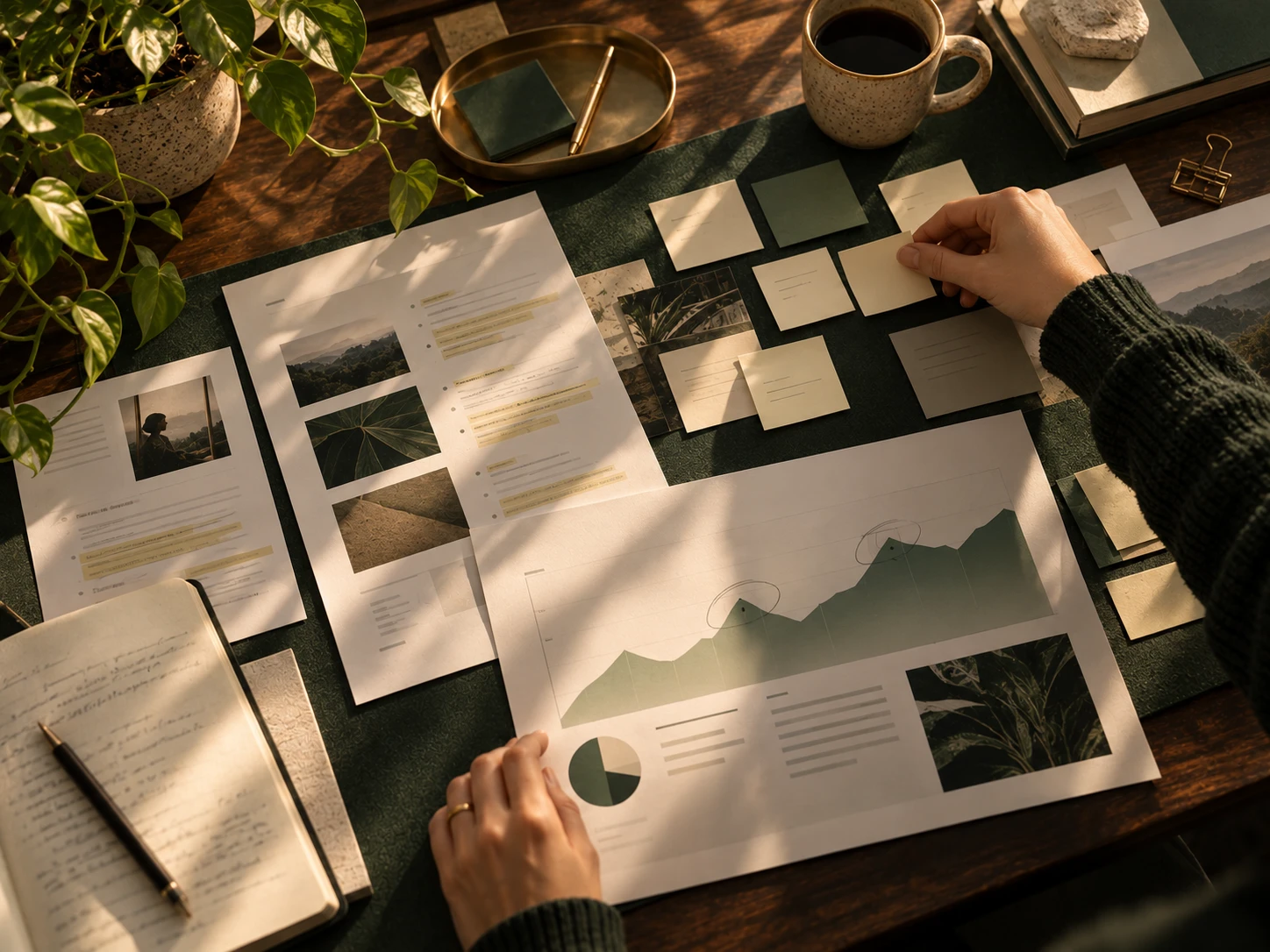
Discover
We learn the product, its users and what it needs to achieve.
DeliverableResearch findings
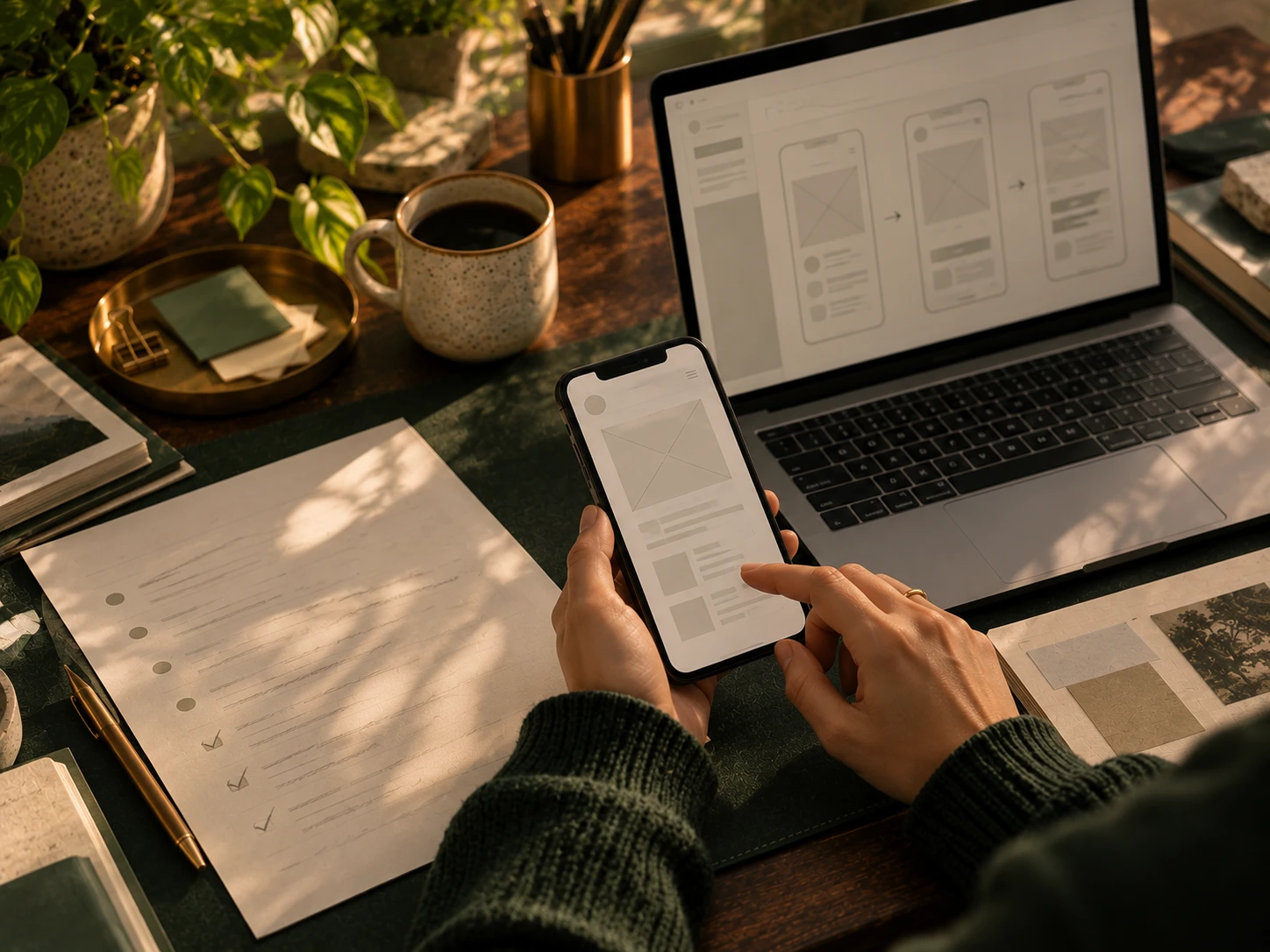
 02
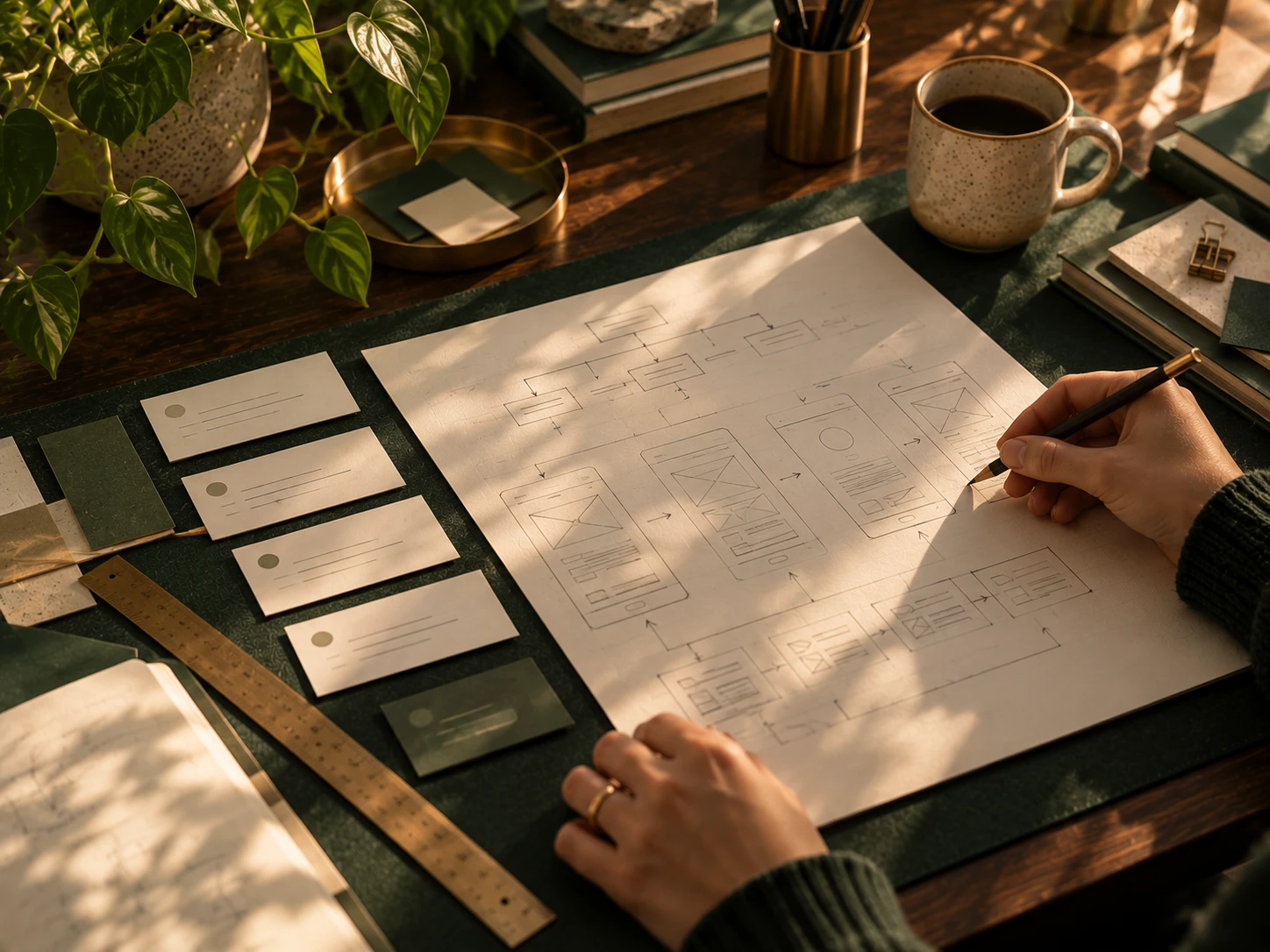
Structure
We map what goes where and how people move through it, in wireframes.
DeliverableSitemap, flows and wireframes
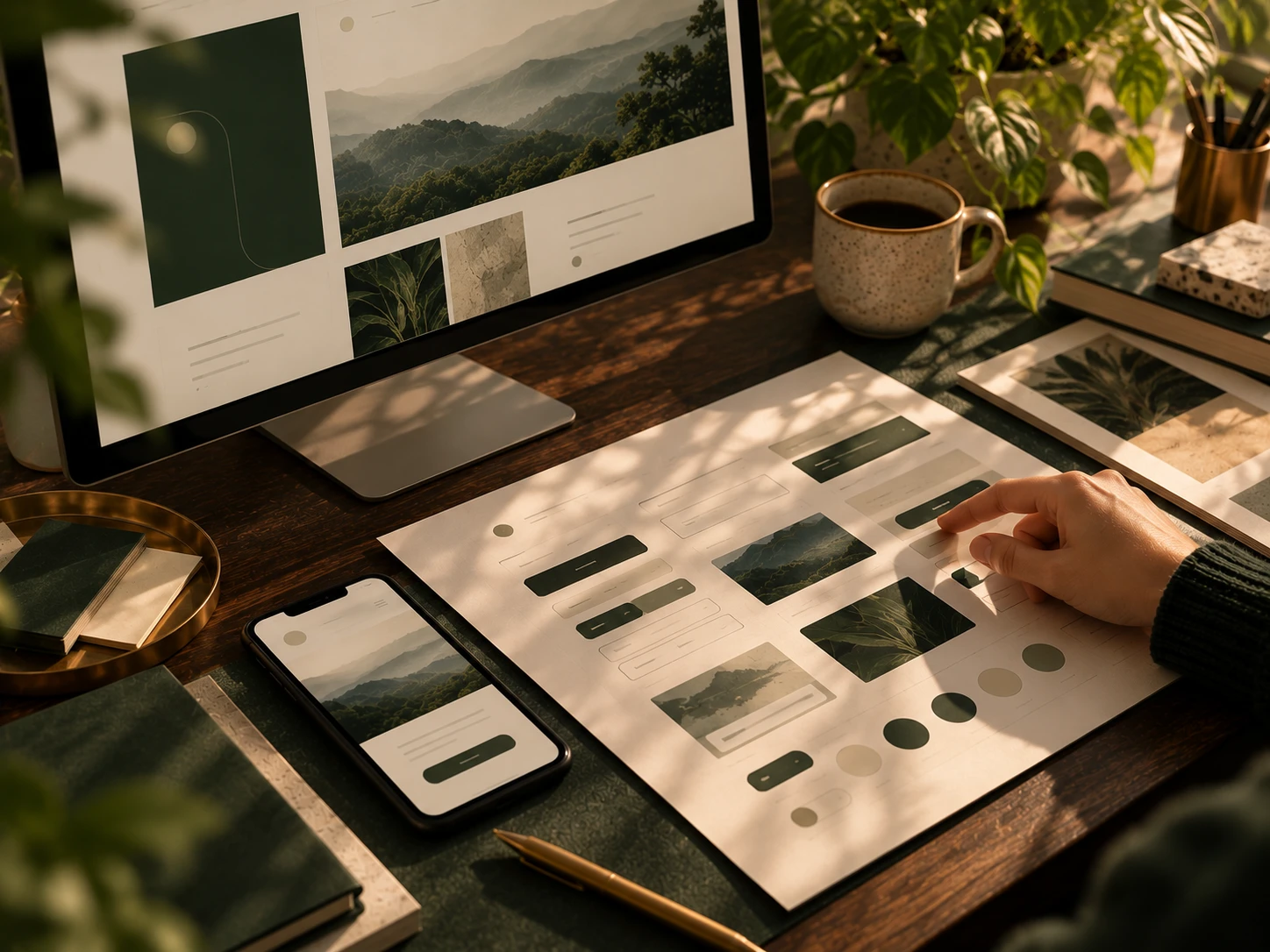
 03
Prototype & test
We make the key journeys clickable and test them with real users.
DeliverableTest findings, revised prototype
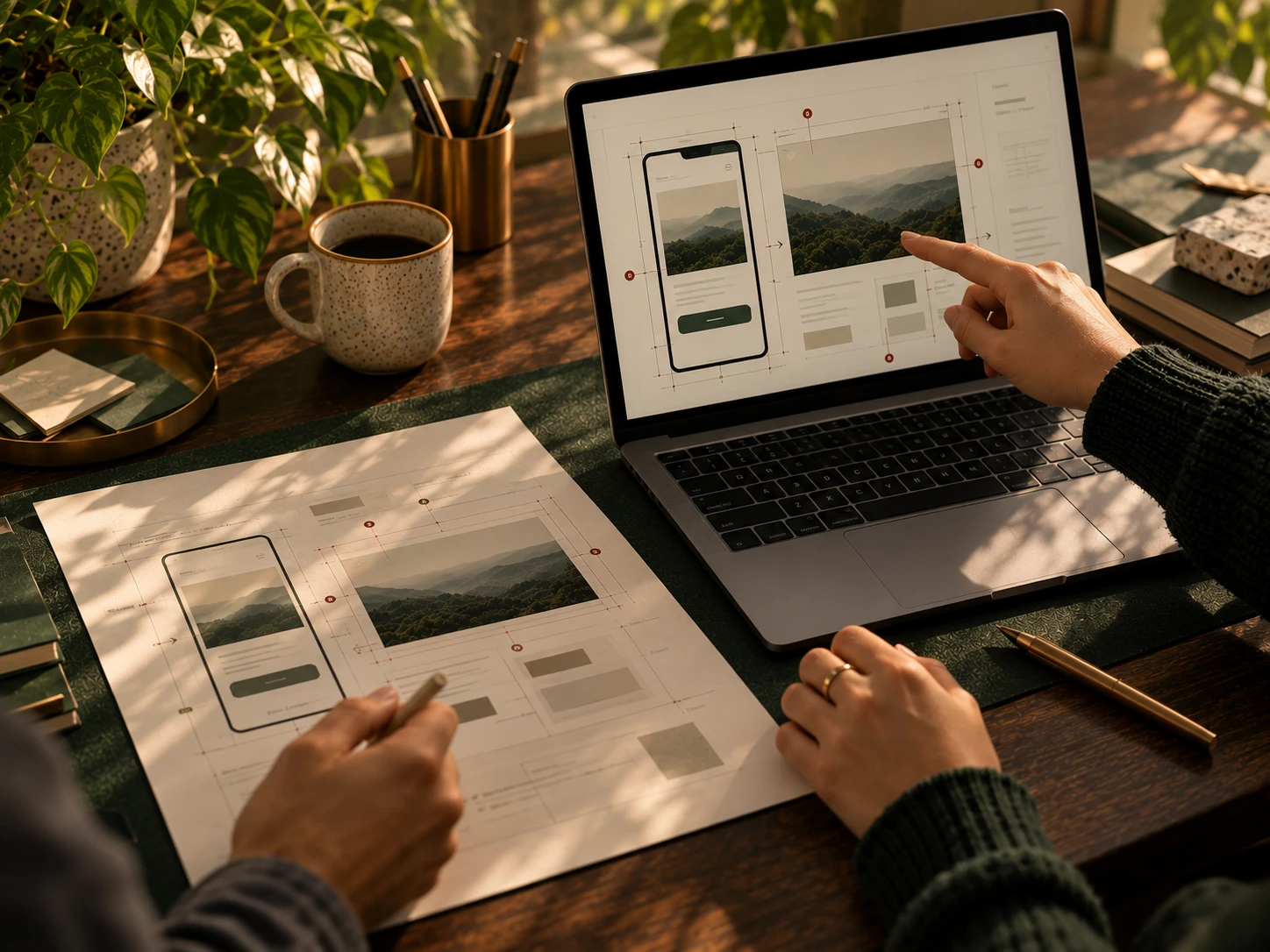
 04
Design
We design the interface as reusable components, then test it again.
DeliverableUI design and component library
 05
Handoff
We hand over to developers, ours or yours, and stay through the build.
DeliverableBuild-ready specifications
AI in our workflow
Shaped by people.
Supported by AI.
Our own AI tooling speeds up the groundwork: research synthesis, layout variations and early accessibility checks. Every insight traces back to research, and every decision is made by our designers.
- Research synthesis
- Layout variations
- Automated accessibility checks
- Design review by a senior designer
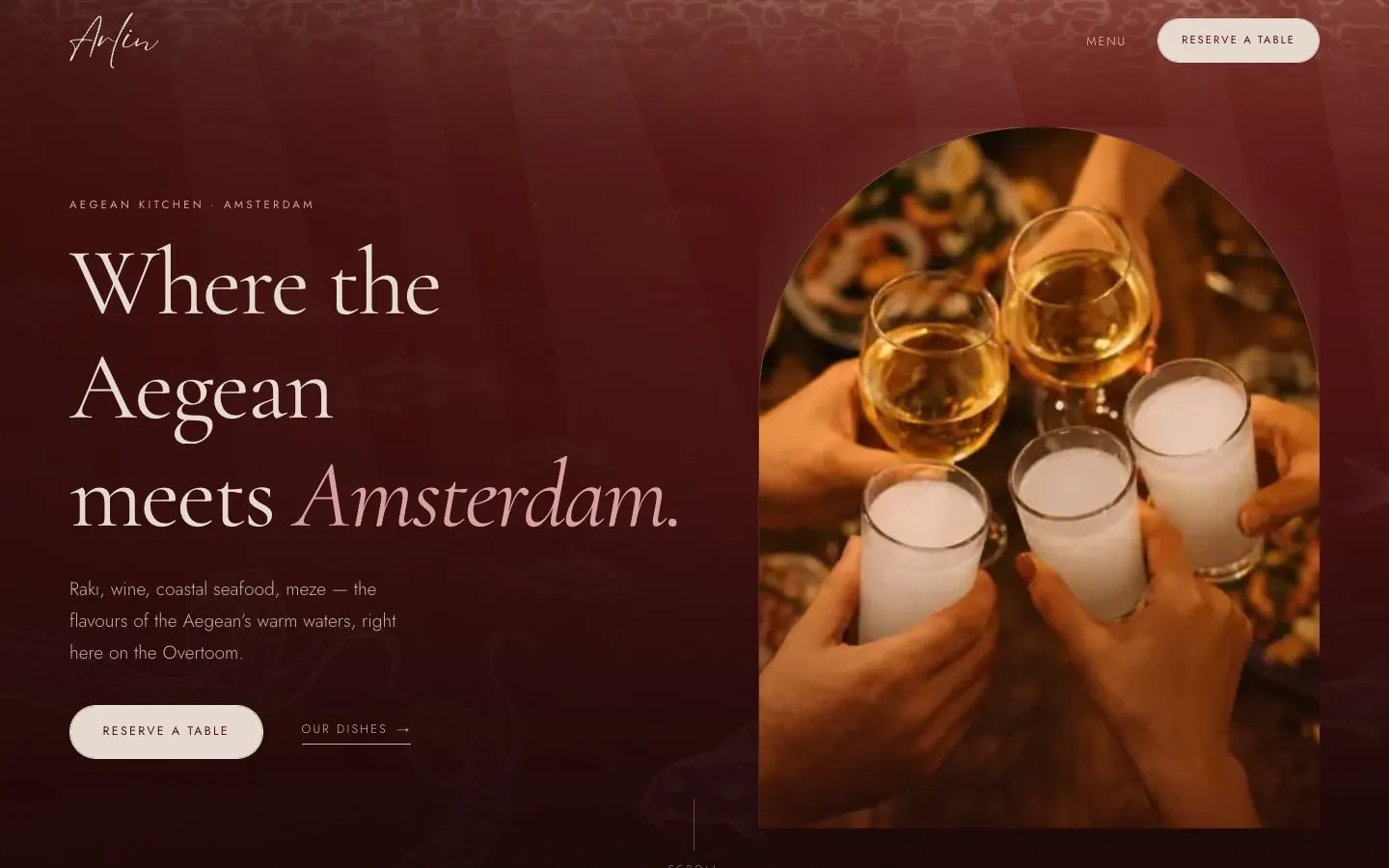
Selected projects

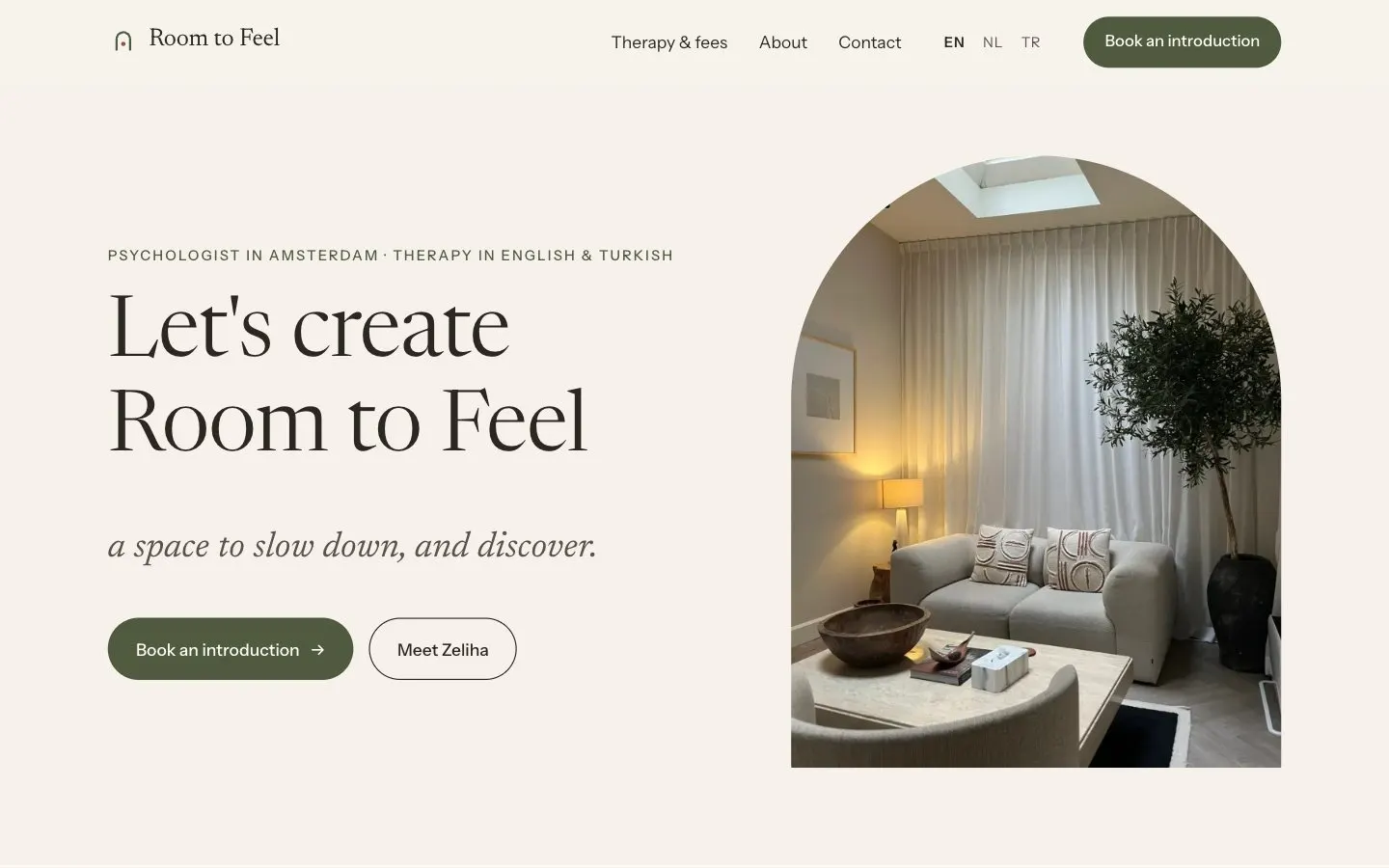
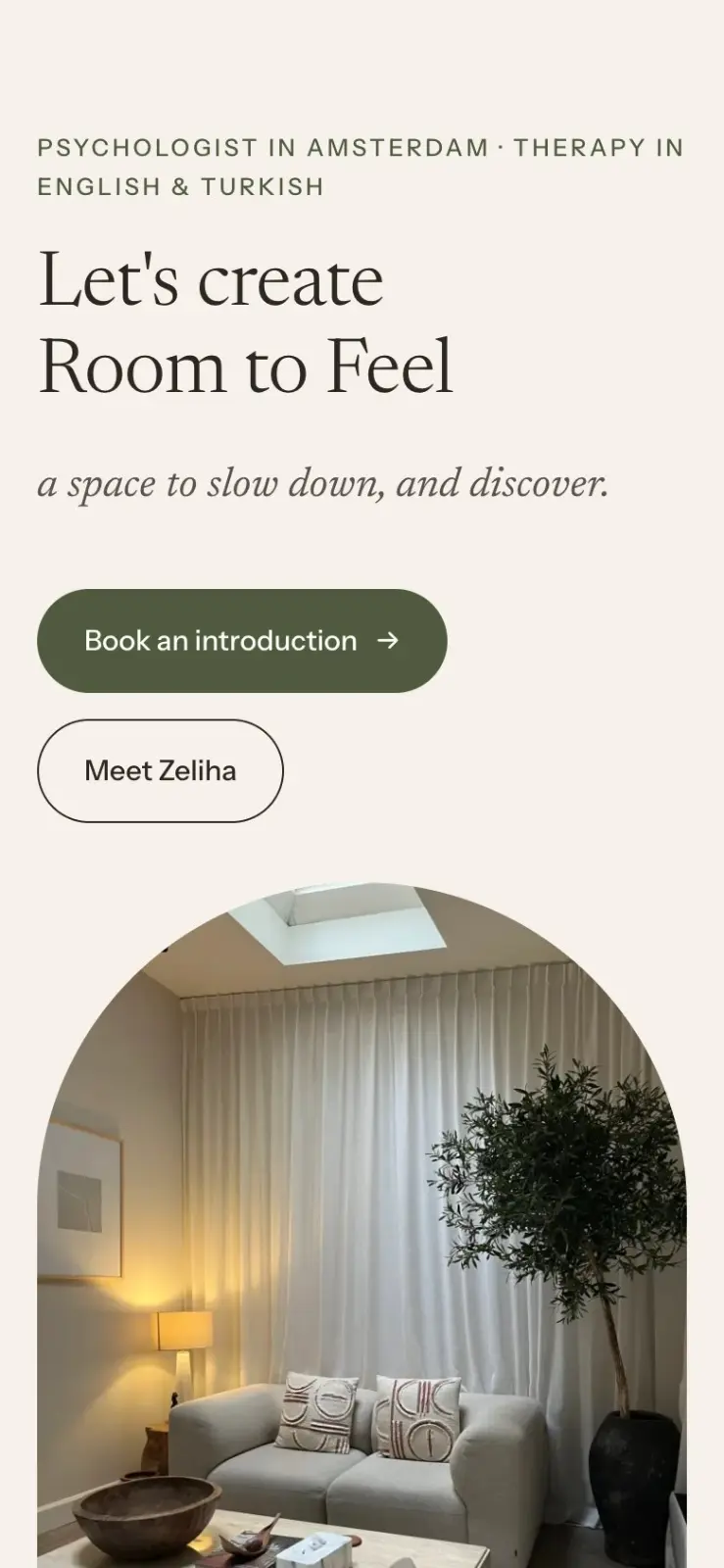
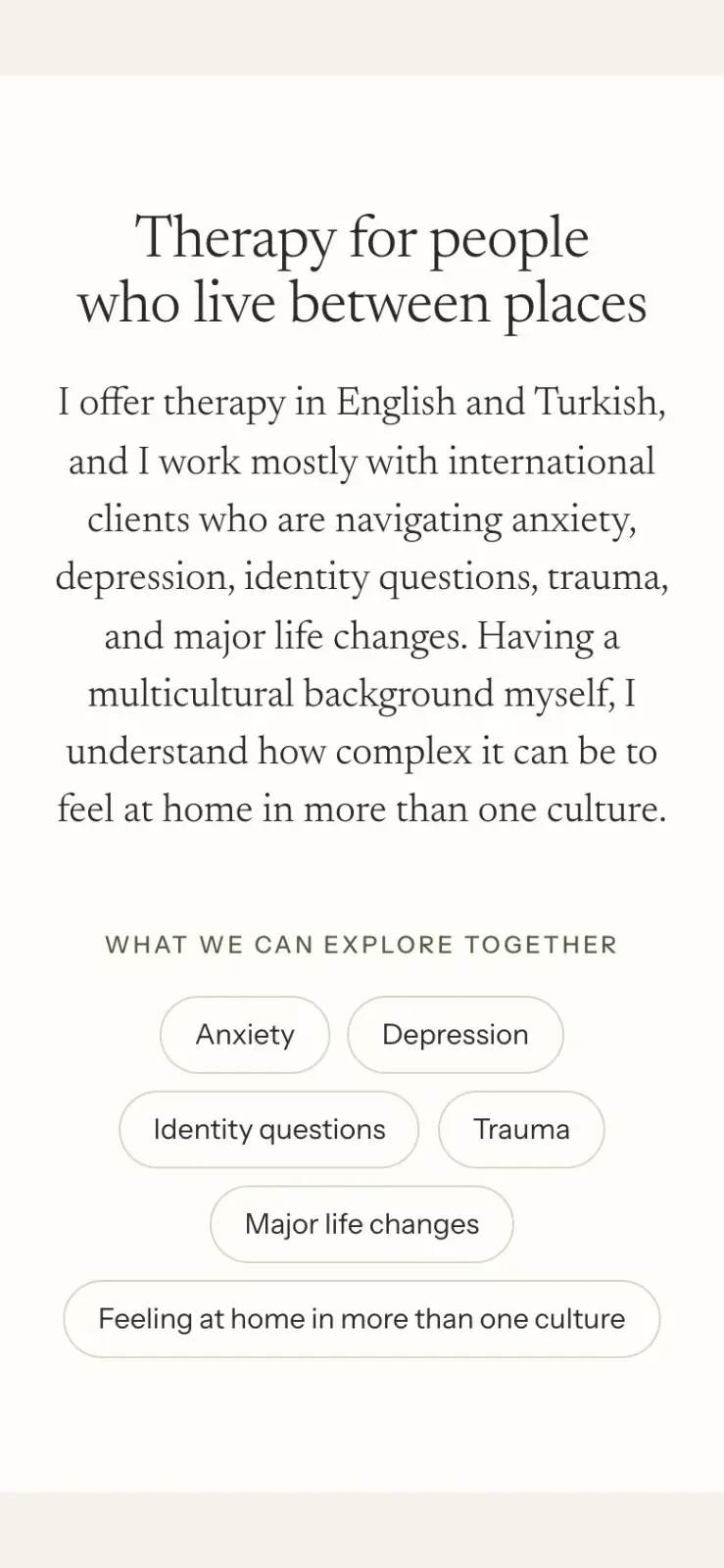
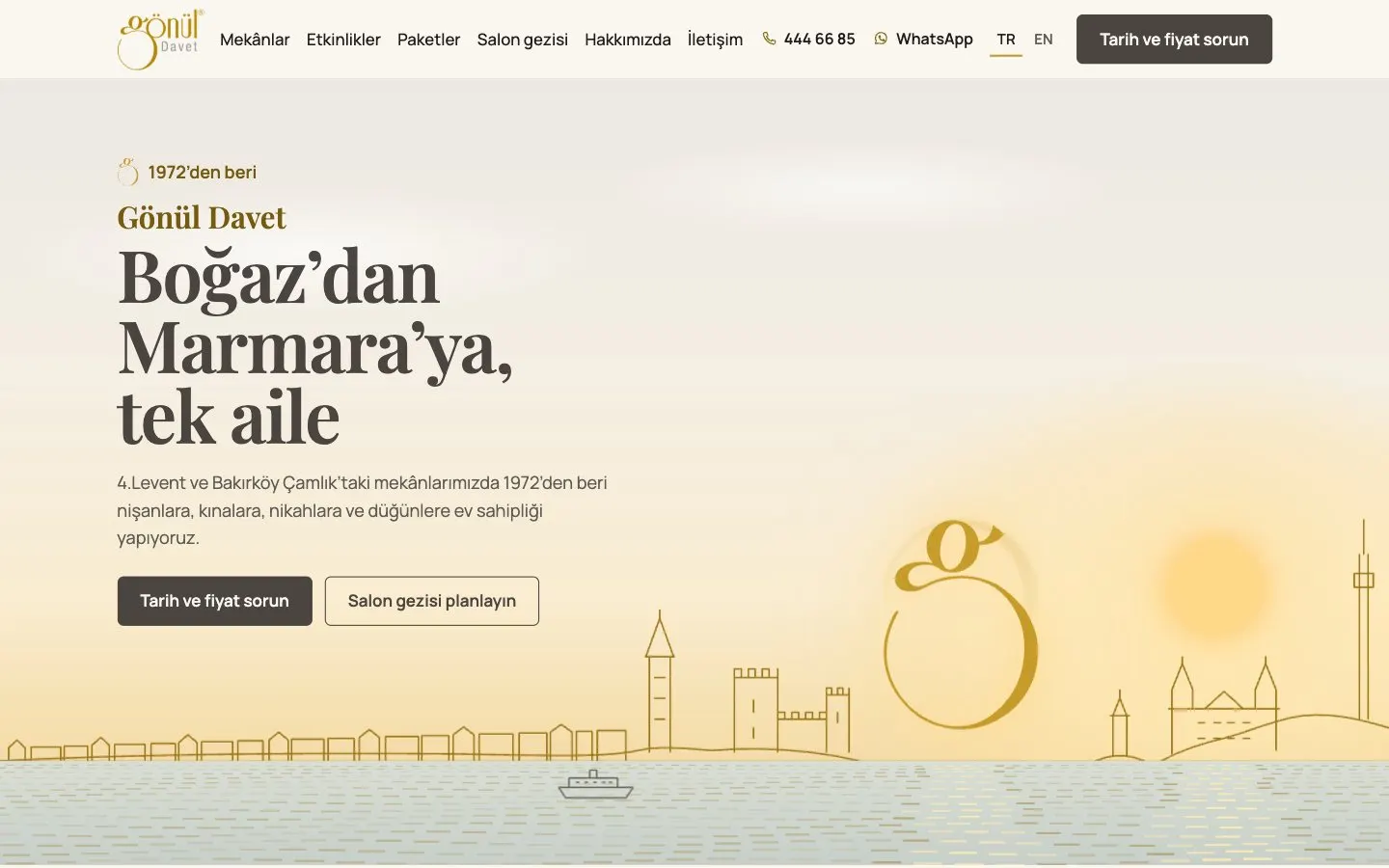
Frequently asked questions.
Research, structure, interface design, prototypes and the design system agreed in scope. Development is a separate service: we build it ourselves or hand off to your team.
On scope: the number of journeys, templates and states, and the depth of research and testing. You receive a detailed proposal after a first conversation.
Yes. We work in your tools and rhythm, with your developers involved from the start.
Yes. We often start with an audit and improve what works, rather than redesigning from scratch.
Through interviews and usability tests on prototypes, following our structured testing process, with participants from your own audience where possible.
Designed to WCAG 2.2 AA from the first wireframe: contrast, focus states, keyboard paths and readable type are part of the design, not a final check.
Annotated designs for every breakpoint and state, the component library with its tokens, and a designer available during the build.
Yes. Our web development team builds it, so design and code stay one system.
You dream it, we build it
Walk in with an idea, walk out with a website that moves you and your business forward.